



Quick answer: Not every dog is a confident swimmer. A well-fitted buoyancy aid adds support and visibility, but close supervision, calm water, easy exits and knowledge of local conditions remain essential.
Written by Petifo's Expert Team · Updated August 2026 · Reading time: 5 min
Explore this guide
- Assume ability must be observed, not guessed
- Fit the jacket on dry land first
- Plan the entry and exit before play
- Stop while the dog is still strong
- Recommended Petifo products
- Frequently asked questions
Choose your next step
1 · Assess
Check your pet’s measurements, habits and current routine before changing equipment.
2 · Compare
Use the guide’s checkpoints to compare only the features that matter in your home.
3 · Introduce
Make one calm change at a time, observe your pet and adjust the routine as needed.
Choose and fit a dog life jacket, introduce swimming gradually and plan safe exits for lakes, boats and beaches. This guide focuses on practical observation, gradual introductions and easy-to-maintain routines, so you can adapt each step to the individual animal rather than follow a rigid formula.
Assume ability must be observed, not guessed
Breed, body shape, age, coat, health and confidence all affect swimming. Short legs, flat faces, heavy coats and fatigue can make staying level harder. Begin in shallow, calm water where the dog can choose to step out. Never throw a dog in, and speak to a vet before swimming if there is heart, breathing, joint or recovery concern.

Fit the jacket on dry land first
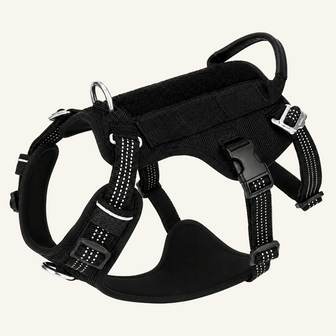
The chest and belly straps should hold the jacket centred without limiting breathing or front-leg movement. A chin float should support the head without pushing the neck backward. Lift gently by the handle only for assistance, not routine suspension. Let the dog walk, sit and lie down in the jacket before approaching water, rewarding calm behaviour.
💡 Practical tip: Begin in shallow calm water. Fit and test on dry land.
Plan the entry and exit before play
Slippery banks, steep boat ladders and waves can turn an easy swim into a difficult exit. Choose a shallow route in and out, keep the dog close and use a lead where appropriate until safely at the water. Check currents, algae warnings, tides and local rules. Bring fresh drinking water so the dog is less tempted to drink from sea or lake.

Stop while the dog is still strong
Swimming is tiring even when a dog looks enthusiastic. Use short sessions, watch for a lower body position, frantic paddling, swallowing water, shivering or reluctance to continue, and take rest breaks in shade. Rinse salt, sand or lake residue from coat and equipment, dry the dog thoroughly and inspect the jacket before storage.
✓ Good to know: Choose an easy exit route. Supervise within immediate reach.
Introduce the change without losing trust
A reliable routine is built through small, observable steps. Begin in the easiest version of the situation, when your pet is rested and the room is quiet. Keep the first attempt short, then repeat it at roughly the same time before increasing difficulty. If the animal can approach, investigate and leave freely, you gain much clearer information than when equipment is placed on them or food is used to push through worry.
Change one variable at a time. That might mean adjusting height before angle, duration before speed, fit before distance, or location before adding another pet. Hold everything else steady for several sessions and note what you see: posture, breathing, pace, appetite, willingness to return and recovery afterwards. A simple record prevents a single unusually good or difficult day from driving the next decision.
Progress is not a straight line. Tiredness, weather, household noise and health can all affect a familiar routine. If your pet hesitates, return to the last comfortable step rather than adding pressure. Stop immediately for pain, panic, breathing difficulty, loss of balance or any sudden physical change. Equipment can support care, but it should never be used to mask a problem that needs veterinary assessment.
A simple seven-day setup plan
- Day 1: inspect the equipment, read the care instructions and let your pet observe it without interaction.
- Days 2–3: reward calm investigation and practise one simple step in a short session.
- Days 4–5: add one practical step: fit and test on dry land, then finish before attention drops.
- Day 6: use the setup in its real location while closely supervising posture and behaviour.
- Day 7: review cleaning, fit and safety, and decide whether to repeat, progress or step back.
Your quick decision checklist
Browse Petifo's dog life jacket collection for equipment that matches the routine described above.
Recommended Petifo products
The products below are selected because their verified specifications support the use cases in this guide. Always confirm dimensions, compatibility and care instructions on the product page.

Frequently asked questions about dog life jacket
1. Can every dog swim naturally?
No. Ability and confidence vary, and some body shapes make swimming more difficult.
2. Does a life jacket make swimming risk-free?
No. It adds buoyancy and visibility but cannot replace supervision or safe conditions.
3. How should a dog life jacket fit?
It should stay centred, support the body and allow normal breathing and shoulder movement without gaps that permit escape.
4. What is a chin float for?
It adds support beneath the head, but correct overall fit and active supervision are still necessary.
5. How long should a dog swim?
Use short sessions and stop before fatigue. Duration depends on fitness, water temperature and conditions.
6. When should swimming be avoided?
Avoid unsafe currents, algae warnings, extreme temperature, illness, pain or any condition your vet says makes swimming unsuitable.
Source: PDSA dog water-safety guide. General educational guidance only; contact your vet for individual health or behaviour concerns.