



Written by Petifo's Expert Team · Updated July 2026 · Reading time: 8 min
Quick answer: With the right tools and a calm routine, you can bathe, dry and groom your dog at home to a professional standard — saving hundreds per year while strengthening the bond with your pet.
Professional grooming sessions can easily cost €50–€100 per visit, and for many dogs they involve stressful car journeys, unfamiliar environments and long waits. The good news? Most of what a professional groomer does can be replicated at home with a little know-how, the right kit and some patience.
This guide walks you through every step — from choosing the right brush for your dog’s coat type, through bathing and drying, to finishing touches like nail trimming and ear cleaning.
Why Groom Your Dog at Home?
Before diving into technique, it’s worth understanding why home grooming is such a worthwhile investment of your time.
Cost savings. The average dog owner who grooms at a salon every six to eight weeks spends between €400 and €800 a year. A one-off investment in quality tools pays for itself within a couple of months.
Reduced stress. According to the RSPCA, many dogs find salon visits anxiety-inducing. Grooming in a familiar environment with their trusted owner keeps cortisol levels low and makes the whole experience more pleasant.
Stronger bond. Regular, gentle handling builds trust. Dogs that are groomed at home from a young age tend to be calmer during vet examinations and more comfortable being touched by strangers.
Early health detection. When you groom your own dog, you’re more likely to spot lumps, skin irritations, parasites or dental problems early — potentially saving on vet bills down the line.
✓ Good to know: The PDSA recommends brushing your dog at least once a week, but long-coated breeds benefit from daily sessions to prevent matting.
Essential Grooming Tools You’ll Need
You don’t need a salon’s worth of equipment, but having the right basics makes a huge difference in results and safety.
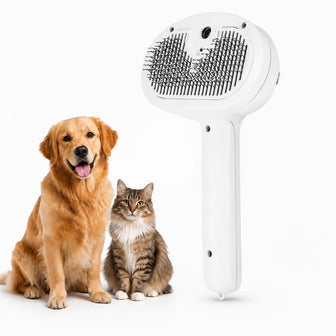
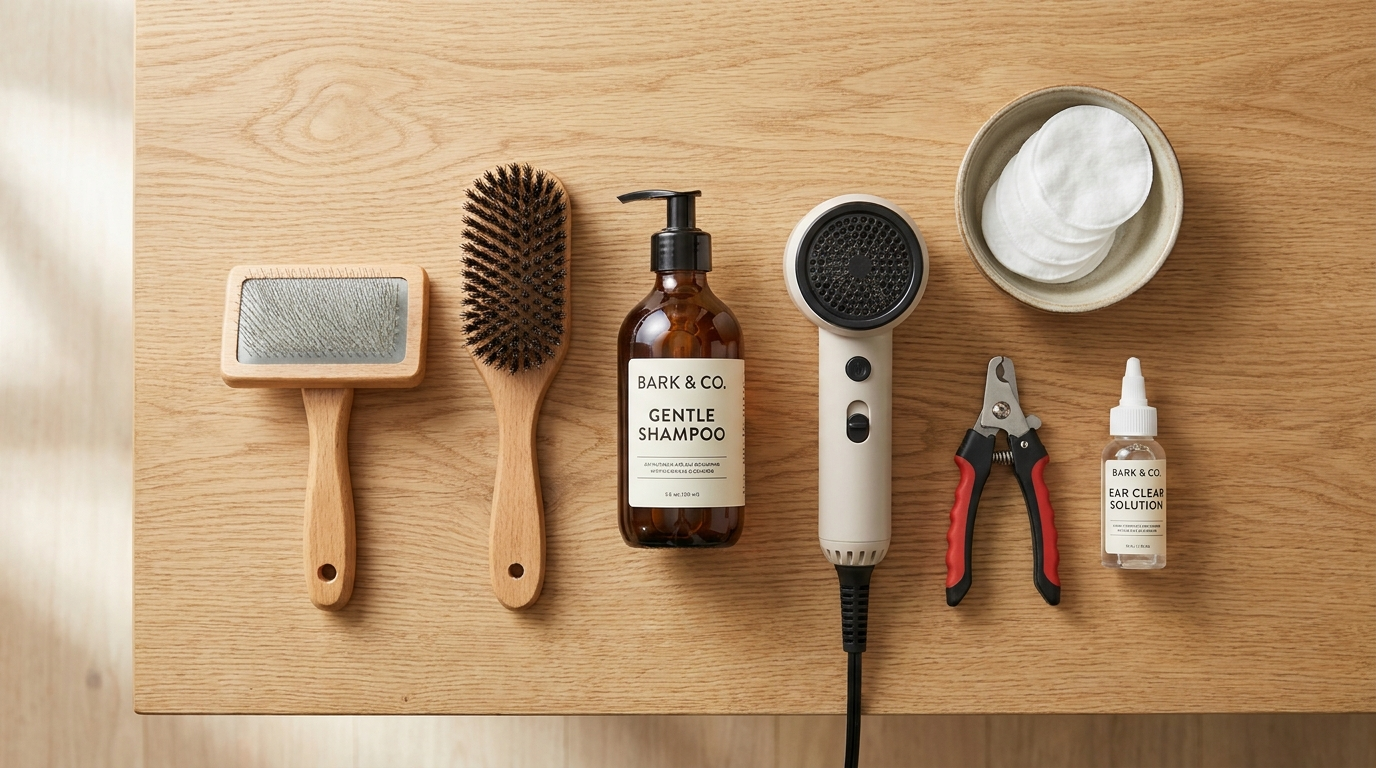
- Slicker brush — ideal for removing loose fur, tangles and light mats in medium to long coats.
- Bristle brush — suits short-coated breeds and adds shine after a bath.
- Undercoat rake or deshedding tool — essential for double-coated breeds like Huskies or Golden Retrievers.
- Dog-specific shampoo — human shampoo disrupts a dog’s skin pH. Choose a gentle, soap-free formula.
- Pet hair dryer — a purpose-built dryer runs at safe temperatures and airflow levels, unlike a human hairdryer which can overheat sensitive skin.
- Grooming table — a non-slip, height-adjustable table keeps your dog secure and saves your back.
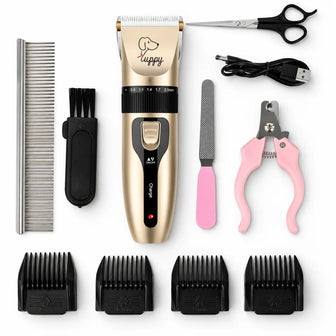
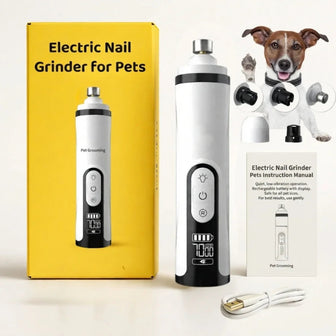
- Nail clippers or grinder — guillotine-style clippers suit small to medium dogs; grinders give more control on larger breeds.
- Ear cleaner and cotton pads — never use cotton buds inside the ear canal.
Step-by-Step Bath Guide
Bathing is the centrepiece of any grooming session. Follow these steps for a stress-free, thorough clean.
1. Brush before you bathe. Always remove tangles and loose fur before wetting the coat. Water tightens mats, making them nearly impossible to brush out afterwards. Work through the coat section by section, paying extra attention to behind the ears, the chest and the back legs.
2. Prepare the bathing area. A walk-in shower, utility sink or garden tub works well. Place a non-slip mat on the floor so your dog feels secure. Have your shampoo, conditioner (if using) and a jug or detachable shower head within arm’s reach.
3. Wet the coat thoroughly. Use lukewarm water — test it on the inside of your wrist. Start at the shoulders and work backwards, leaving the head until last. Many dogs dislike water on their face, so keeping it dry for as long as possible reduces anxiety.
4. Apply shampoo and massage. Dilute the shampoo if the bottle instructs you to, then work it into the coat with your fingertips using circular motions. Don’t forget the belly, paws and under the tail.
5. Rinse completely. Residual shampoo causes itching and flaking. Rinse until the water runs perfectly clear — then rinse once more for good measure.
6. Gently clean the face. Use a damp cloth around the eyes and muzzle. For floppy-eared breeds prone to infections, wipe the inner ear flap with a vet-approved ear cleaner.
★ Tip: Spread a thin layer of peanut butter (xylitol-free) on the shower wall at nose height. It gives your dog something to focus on and turns bath time into a positive experience.
Drying Techniques: Towel vs Dryer vs Drying Box
Proper drying is arguably the most overlooked step in home grooming, yet it’s critical. A damp coat can harbour bacteria, cause hot spots and leave your house smelling distinctly “doggy.”
Towel drying removes surface moisture but rarely reaches the undercoat on thick-furred breeds. It’s a fine first step, but seldom sufficient on its own. Blot rather than rub — vigorous rubbing creates tangles.
Pet hair dryers are specifically designed with adjustable temperature and airflow settings that won’t burn your dog’s skin. They dry the coat quickly and help you brush out the fur straight, giving that salon-fresh finish. The Kennel Club advises keeping the nozzle at least 15 cm from the skin and using a low-heat setting to avoid discomfort.
Drying boxes offer a hands-free alternative that’s especially useful for dogs who dislike the sensation of directed airflow. Your dog sits comfortably inside while warm, circulating air dries the coat evenly from all angles — much like a gentle warm breeze.

Petifo's Petdryer Pet Hair Dryer
A quiet, adjustable-temperature pet dryer that lets you achieve salon-quality results at home without startling your dog.
★ Safe heat settings designed specifically for pet skin & coats
View product →Grooming by Coat Type
Not all coats are created equal. Tailoring your approach to your dog’s specific fur type will produce far better results.
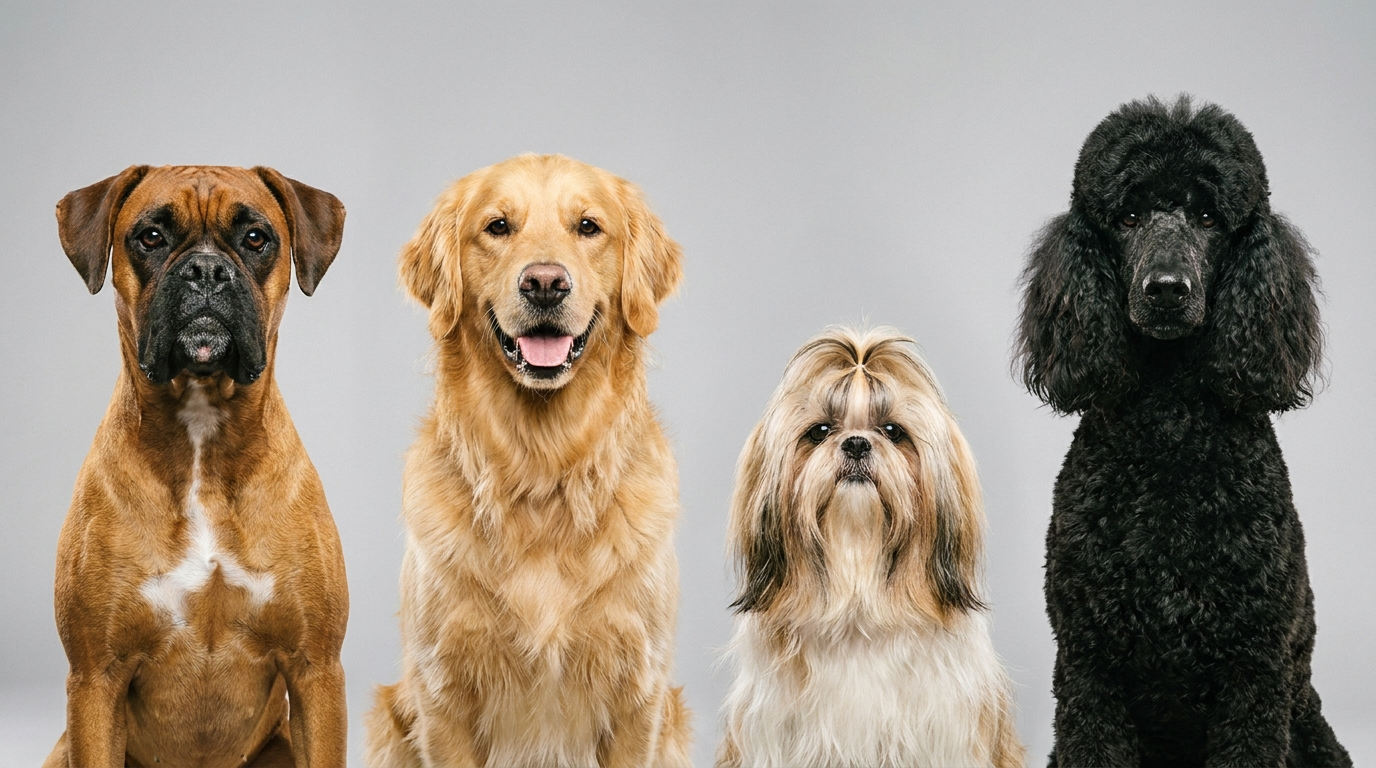
Short and smooth coats (Beagles, Boxers): brush weekly with a bristle brush. Bathing every 8–12 weeks is sufficient. These coats dry quickly with a towel and a short blast from a pet dryer.
Double coats (Labradors, German Shepherds): use an undercoat rake before bathing. These breeds “blow coat” twice a year and benefit from extra brushing during those periods. A high-velocity dryer is ideal for blasting out loose undercoat after a bath.
Long and silky coats (Shih Tzus, Maltese): daily brushing prevents mats. Use a slicker brush followed by a metal comb, and dry with a pet dryer while brushing straight in sections.
Curly and wool coats (Poodles, Doodle crosses): these coats mat easily despite minimal shedding. Brush every other day. Start with hygiene trims (paws, sanitary area, eyes) before attempting a full-body clip.
Nail Trimming and Ear Care Basics
These finishing touches complete a full grooming session and contribute to your dog’s overall health.
Nail trimming. If you can hear nails clicking on hard floors, they’re too long. Trim small slivers at a time to avoid the quick (the blood vessel inside the nail). On light nails the quick is visible as a pink area; on dark nails, stop when you see a chalky white ring in the cross-section. Keep styptic powder on hand.
Ear cleaning. The Blue Cross recommends checking ears weekly for redness, odour or discharge. Squeeze a few drops of vet-approved ear cleaner into the canal, massage the base for 20–30 seconds, let your dog shake, then wipe away debris with a cotton pad.
&x26A0;&xFE0F; Important: Never insert anything into your dog’s ear canal. If you notice persistent head shaking, a foul smell or dark-coloured discharge, consult your vet — these can indicate an infection that requires medication.
Setting Up Your Home Grooming Station
You don’t need an entire room — a corner of the utility area or garage works perfectly.
A sturdy, height-adjustable grooming table is the single biggest upgrade you can make. It prevents you from hunching over your dog on the floor, and the non-slip surface keeps your pet secure and calm. Pair it with a grooming arm and loop for hands-free control.
For drying, consider a drying box if your dog is anxious around handheld dryers. Many owners find that their dog actually enjoys sitting in the warm, enclosed space — some even fall asleep.
Keep all your tools in a caddy or wall-mounted holder so everything is within reach and you never have to leave your dog unattended on the table.
Frequently Asked Questions
1. How often should I bathe my dog at home?
Most dogs do well with a bath every four to eight weeks. Over-bathing strips natural oils and can cause dry, irritated skin. Active outdoor dogs or breeds prone to skin conditions may need slightly more frequent baths — consult your vet for breed-specific advice.
2. Can I use a human hairdryer on my dog?
It’s not recommended. Human hairdryers can reach temperatures that burn a dog’s skin, and the noise level is often distressing. A purpose-built pet dryer has lower heat settings, adjustable airflow and quieter operation.
3. My dog hates being groomed. What can I do?
Start with very short sessions (two to three minutes) and pair them with high-value treats. Gradually increase the duration over several weeks. Keep your energy calm and avoid restraining your dog forcefully. If anxiety is severe, speak to a qualified behaviourist.
4. How do I know if a mat is too severe to brush out?
If a mat is tight against the skin and you cannot slide a comb underneath it, it should be carefully cut out with blunt-tipped scissors or clippers rather than pulled. Pulling tight mats causes pain and can tear the skin.
5. Do I need a grooming table or can I use the floor?
You can groom on the floor, but a grooming table makes a significant difference. The raised, non-slip surface keeps your dog still and calm, gives you better access to all areas of the body, and protects your back and knees during longer sessions.
6. What should I do if I cut the quick while trimming nails?
Apply styptic powder or cornflour to the nail tip and press firmly for 30 seconds. The bleeding should stop within a minute or two. Keep your dog calm and reassure them. If bleeding persists beyond five minutes, contact your vet.
7. How young can I start grooming my puppy at home?
You can begin gentle handling and short brush sessions from around eight weeks old. The goal at this stage is desensitisation, not a full groom. Let your puppy sniff the tools, reward calm behaviour, and keep each session under five minutes.
Sources
- RSPCA — Dog grooming and welfare guidance
- PDSA — Coat care and brushing frequency
- The Kennel Club — Breed-specific grooming advice
- Blue Cross — Ear care and health checks
- PetMD — Nail trimming techniques and safety