




Quick answer: Noise support works best as layers: predictable routine, a voluntary den, sound reduction and gradual training well before the event. Ear muffs may reduce exposure for some dogs but should never be forced.
Written by Petifo's Expert Team · Updated August 2026 · Reading time: 6 min
Explore this guide
- Recognise fear before it becomes panic
- Prepare the safe place in advance
- Introduce ear protection as equipment, not restraint
- Use sound training at a safe intensity
- Recommended Petifo products
- Frequently asked questions
Choose your next step
1 · Assess
Check your pet’s measurements, habits and current routine before changing equipment.
2 · Compare
Use the guide’s checkpoints to compare only the features that matter in your home.
3 · Introduce
Make one calm change at a time, observe your pet and adjust the routine as needed.
Prepare a dog for fireworks and loud events with a safe den, gradual sound work and optional ear protection. This guide focuses on practical observation, gradual introductions and easy-to-maintain routines, so you can adapt each step to the individual animal rather than follow a rigid formula.
Recognise fear before it becomes panic
Noise fear may look like shaking, panting, pacing, hiding, barking, escape attempts or a dog that suddenly cannot eat. Subtle signs include lip licking, repeated yawning and scanning the room. A new sound sensitivity, especially in an older dog, can be linked with pain or illness and should be discussed with a vet.

Prepare the safe place in advance
Choose a location the dog already uses when worried, add familiar bedding and allow free access. Close curtains, reduce flashes and use comfortable background sound at a level the dog already accepts. Build the den days or weeks before fireworks so it predicts rest rather than danger. Never shut a frightened dog inside or drag one out of hiding.
💡 Practical tip: Learn the dog's early stress signals. Build a voluntary den early.
Introduce ear protection as equipment, not restraint
Let the dog sniff the ear muffs, reward, touch them briefly to the neck and progress over several calm sessions. Fit should reduce movement without pressing the eyes, jaw or throat. Start with seconds and remove before discomfort. If the dog freezes, paws at the equipment or becomes more distressed, stop and rely on environmental sound reduction while seeking professional advice.

Use sound training at a safe intensity
Desensitisation begins with recordings so quiet that the dog notices without reacting, paired with pleasant activities. Increase volume only after repeated calm sessions. This process can take months and should not be attempted during an actual loud event. Severe fear may need a vet-led behaviour and medication plan prepared well in advance.
✓ Good to know: Introduce equipment in tiny steps. Keep training sounds below reaction level.
Introduce the change without losing trust
A reliable routine is built through small, observable steps. Begin in the easiest version of the situation, when your pet is rested and the room is quiet. Keep the first attempt short, then repeat it at roughly the same time before increasing difficulty. If the animal can approach, investigate and leave freely, you gain much clearer information than when equipment is placed on them or food is used to push through worry.
Change one variable at a time. That might mean adjusting height before angle, duration before speed, fit before distance, or location before adding another pet. Hold everything else steady for several sessions and note what you see: posture, breathing, pace, appetite, willingness to return and recovery afterwards. A simple record prevents a single unusually good or difficult day from driving the next decision.
Progress is not a straight line. Tiredness, weather, household noise and health can all affect a familiar routine. If your pet hesitates, return to the last comfortable step rather than adding pressure. Stop immediately for pain, panic, breathing difficulty, loss of balance or any sudden physical change. Equipment can support care, but it should never be used to mask a problem that needs veterinary assessment. Plan quiet recovery time afterwards, keep water available and tell every household member which signals mean the session must end.
A simple seven-day setup plan
- Day 1: inspect the equipment, read the care instructions and let your pet observe it without interaction.
- Days 2–3: reward calm investigation and practise one simple step in a short session.
- Days 4–5: add one practical step: build a voluntary den early, then finish before attention drops.
- Day 6: use the setup in its real location while closely supervising posture and behaviour.
- Day 7: review cleaning, fit and safety, and decide whether to repeat, progress or step back.
What to record after the first week
Write down three short observations after each session: what your pet chose to do, how the equipment behaved and how quickly normal behaviour returned. Check whether the routine remained easy in real use, whether cleaning and storage fit the household routine, and whether another animal changed the response. Photos or short videos can help you compare posture over time and give a vet, groomer or qualified behaviour professional more useful context if you need advice.
A successful setup should become less dramatic with repetition. Your pet approaches without avoidance, the equipment stays secure, and you can maintain it consistently. If the routine becomes harder, do not assume stubbornness. Recheck fit, location, noise, wear and health before continuing.
Questions to answer before you buy
Confirm the usable dimensions, the animal's current measurements and the exact surface or route where the product will be used. Check how it opens, adjusts, locks and cleans, and decide where it will dry or be stored. If several pets share the home, plan whether they need separate sessions or resources. A feature only has value when it fits the animal and the household routine.
Read the full product page and care instructions rather than relying on a photograph. Compare the stated limits with your own pet, allow for growth or coat changes where relevant, and keep the packaging until the first supervised trials are complete. If the planned use is connected with pain, recovery, anxiety or another medical concern, discuss it with the appropriate veterinary professional before use.
Your quick decision checklist
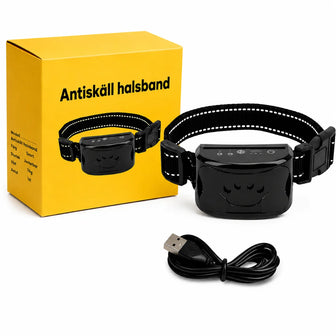
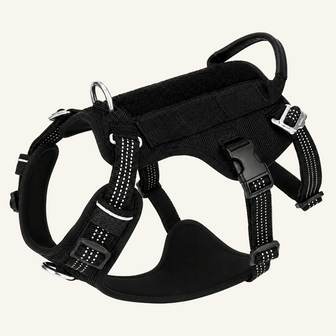
Browse Petifo's dog noise anxiety collection for equipment that matches the routine described above.
Recommended Petifo products
The products below are selected because their verified specifications support the use cases in this guide. Always confirm dimensions, compatibility and care instructions on the product page.

Frequently asked questions about dog noise anxiety
1. Do ear muffs stop noise completely?
No. They may reduce some sound but do not remove vibration, flashes or fear learning.
2. Should I comfort a frightened dog?
Yes, if the dog seeks contact. Stay calm and also respect a dog that chooses to hide alone.
3. Can I start desensitisation during fireworks?
No. Training should begin well before the event at controlled, very low sound levels.
4. Why has my older dog become noise-sensitive?
Pain, sensory change or illness may contribute, so sudden new fear deserves a veterinary check.
5. Should a dog be forced into a den?
No. The den must remain a voluntary refuge.
6. When might medication help?
A vet may recommend medication for severe fear as part of a broader plan, arranged before the event.
Source: PDSA noise-phobia guidance. General educational guidance only; contact your vet for individual health or behaviour concerns.