




Quick answer: Winter clothing should solve a real need without restricting natural movement. Fit a jacket across the shoulders and chest, introduce boots gradually and use visibility, route choice and shorter walks together.
Written by Petifo's Expert Team · Updated August 2026 · Reading time: 5 min
Explore this guide
- Decide whether your dog needs an extra layer
- Check movement before warmth
- Introduce boots one paw at a time
- Build a complete cold-weather plan
- Recommended Petifo products
- Frequently asked questions
Choose your next step
1 · Assess
Check your pet’s measurements, habits and current routine before changing equipment.
2 · Compare
Use the guide’s checkpoints to compare only the features that matter in your home.
3 · Introduce
Make one calm change at a time, observe your pet and adjust the routine as needed.
Learn when dogs may benefit from a winter jacket or boots, how to check fit and how to keep cold-weather walks comfortable. This guide focuses on practical observation, gradual introductions and easy-to-maintain routines, so you can adapt each step to the individual animal rather than follow a rigid formula.
Decide whether your dog needs an extra layer
Coat type, age, size, health, wind and wet conditions all affect cold tolerance. Small, fine-coated, older or less mobile dogs may feel the cold sooner than a healthy thick-coated breed. Watch the dog rather than the temperature alone: shivering, lifting paws, slowing down or trying to turn home are reasons to shorten the outing. Sudden cold intolerance can also warrant veterinary advice.

Check movement before warmth
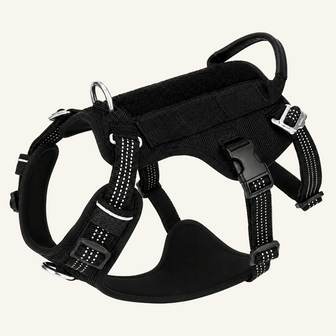
A jacket should cover the back and chest without pulling across the shoulders, rubbing the armpits or pressing the throat. Fastenings should sit flat, and the dog should walk, sit and toilet normally. Put it on indoors for a short trial and check the skin after the first few walks. Reflective panels improve visibility but do not replace a lead, lights or careful road positioning.
💡 Practical tip: Watch the dog's response to cold. Check shoulder and chest freedom.
Introduce boots one paw at a time
Boots can protect from ice, grit and rough frozen surfaces, but an unfamiliar paw sensation can make a dog freeze or high-step. Fit one boot briefly, reward, remove and progress gradually. The toes should lie naturally without twisting, straps should hold without cutting circulation and the boot should remain aligned after a few minutes of walking.

Build a complete cold-weather plan
Choose cleared routes, avoid long waits on frozen ground and rinse paws after contact with salt or grit. Dry the coat and feet thoroughly at home, inspect pads and between the toes, and let equipment dry before storage. On darker days, combine reflective clothing with a visible lead and light. Warmth, traction and visibility work best as one system.
✓ Good to know: Introduce boots in short stages. Inspect paws after winter walks.
Introduce the change without losing trust
A reliable routine is built through small, observable steps. Begin in the easiest version of the situation, when your pet is rested and the room is quiet. Keep the first attempt short, then repeat it at roughly the same time before increasing difficulty. If the animal can approach, investigate and leave freely, you gain much clearer information than when equipment is placed on them or food is used to push through worry.
Change one variable at a time. That might mean adjusting height before angle, duration before speed, fit before distance, or location before adding another pet. Hold everything else steady for several sessions and note what you see: posture, breathing, pace, appetite, willingness to return and recovery afterwards. A simple record prevents a single unusually good or difficult day from driving the next decision.
Progress is not a straight line. Tiredness, weather, household noise and health can all affect a familiar routine. If your pet hesitates, return to the last comfortable step rather than adding pressure. Stop immediately for pain, panic, breathing difficulty, loss of balance or any sudden physical change. Equipment can support care, but it should never be used to mask a problem that needs veterinary assessment.
A simple seven-day setup plan
- Day 1: inspect the equipment, read the care instructions and let your pet observe it without interaction.
- Days 2–3: reward calm investigation and practise one simple step in a short session.
- Days 4–5: add one practical step: check shoulder and chest freedom, then finish before attention drops.
- Day 6: use the setup in its real location while closely supervising posture and behaviour.
- Day 7: review cleaning, fit and safety, and decide whether to repeat, progress or step back.
Your quick decision checklist
Browse Petifo's dog winter jacket and boots collection for equipment that matches the routine described above.
Recommended Petifo products
The products below are selected because their verified specifications support the use cases in this guide. Always confirm dimensions, compatibility and care instructions on the product page.


Frequently asked questions about dog winter jacket and boots
1. Does every dog need a winter jacket?
No. Need depends on coat, size, age, health and conditions. Observe the individual dog.
2. How should a dog jacket fit?
It should stay secure without restricting shoulders, throat, breathing, toileting or normal stride.
3. Why does my dog walk strangely in boots?
The sensation is unfamiliar. Use very short indoor introductions and check that size and strap tension are correct.
4. Can boots stay on for a long walk?
Check them during the walk for twisting, rubbing, trapped snow or dampness and remove them when no longer needed.
5. Is reflective clothing enough at night?
No. Use a lead, safe route, owner visibility and appropriate lights as well.
6. When should we skip the walk?
Extreme cold, ice, pain, distress or dangerous footing may make a shorter toilet break and indoor enrichment safer.
Source: PDSA pet clothing advice. General educational guidance only; contact your vet for individual health or behaviour concerns.